Sisterhood Journal
Notes on self-love.
Essays, guides, and honest conversations about your body, sex, self, and shaving, written plainly.

Body Care
June 20, 2026 · The Sisterhood
Types of Pubic Hair: Is Straight, Wavy, or Curly Normal?
Straight, wavy, curly, coarse, pubic hair comes in every texture and they all respond a little differently to a razor. Here's what affects yours and how to work with it.
Read the story →

Body Care · June 20, 2026
How to Shave Your Butt (Without Razor Bumps or Ingrowns)
Butt hair is normal. Shaving it doesn't have to be a guessing game. Here's exactly how to do it without the bumps, cuts, or regret.

Body Care · June 20, 2026
Can You Bring a Razor on a Plane? TSA Rules by Razor Type
Disposable, cartridge, and electric razors all fly carry-on. Safety razors are fine, but the loose blade must go in checked baggage. Here's the full TSA breakdown so you don't get flagged at security.
Body Care · June 20, 2026
Best Razor for Dermaplaning: What Actually Works
Not every razor is built for dermaplaning. Here's what to look for in a dedicated dermaplaning tool, and why the wrong blade can do more harm than good.
Body Care · June 20, 2026
Vaginal Douching: Why Doctors Advise Against It
The vagina maintains its own bacterial balance through natural secretions. Douching disrupts this, NHS and ACOG both advise against it. Here is what the evidence shows, and what external vulvar care actually involves.

Body Care · June 20, 2026
Best Razor for Vagina: Blade Choice and Technique
The vaginal and vulvar zone has the coarsest hair on the body and the most reactive skin. Getting the razor choice right, blade count, sharpness, moisture strip, makes more difference here than anywhere else.
Body Care · June 19, 2026
Best Razor for Pubic Hair: Bikini-Area Shaving Guide
Bikini-area hair is coarser and the skin more sensitive than anywhere else you shave, and most irritation comes from one cause: a dull blade. Sharp cartridge, warm prep, with-grain strokes. Here's the full technique.

Body Care · June 18, 2026
How to Sugar Underarms: Safe Step-by-Step Guide
Sugaring your underarms uses a sugar-lemon-water paste applied with the direction of hair growth and removed against it, lifting hair from the root. Hair must be at least 1/8 inch long before you start. Results typically last four to six weeks. For the 48 hours after, skip heat, deodorant, and tight clothing.
Body Care · June 17, 2026
How to Prep Your Skin for the First Time: The Countdown Checklist
The highest-leverage first-time prep steps: exfoliate the day before, two to three minutes of warm water, two minutes of shave gel dwell time, and a brand-new blade. The AAD and DermNet NZ agree, prep quality is what separates a smooth result from days of redness.

Body Care · June 17, 2026
How to Prep Your Skin for After a Workout: The Countdown Checklist
After a workout, shower promptly to clear sweat and bacteria, then wait 10–15 minutes before shaving. The sequence matters, here's the exact order.
Body Care · June 17, 2026
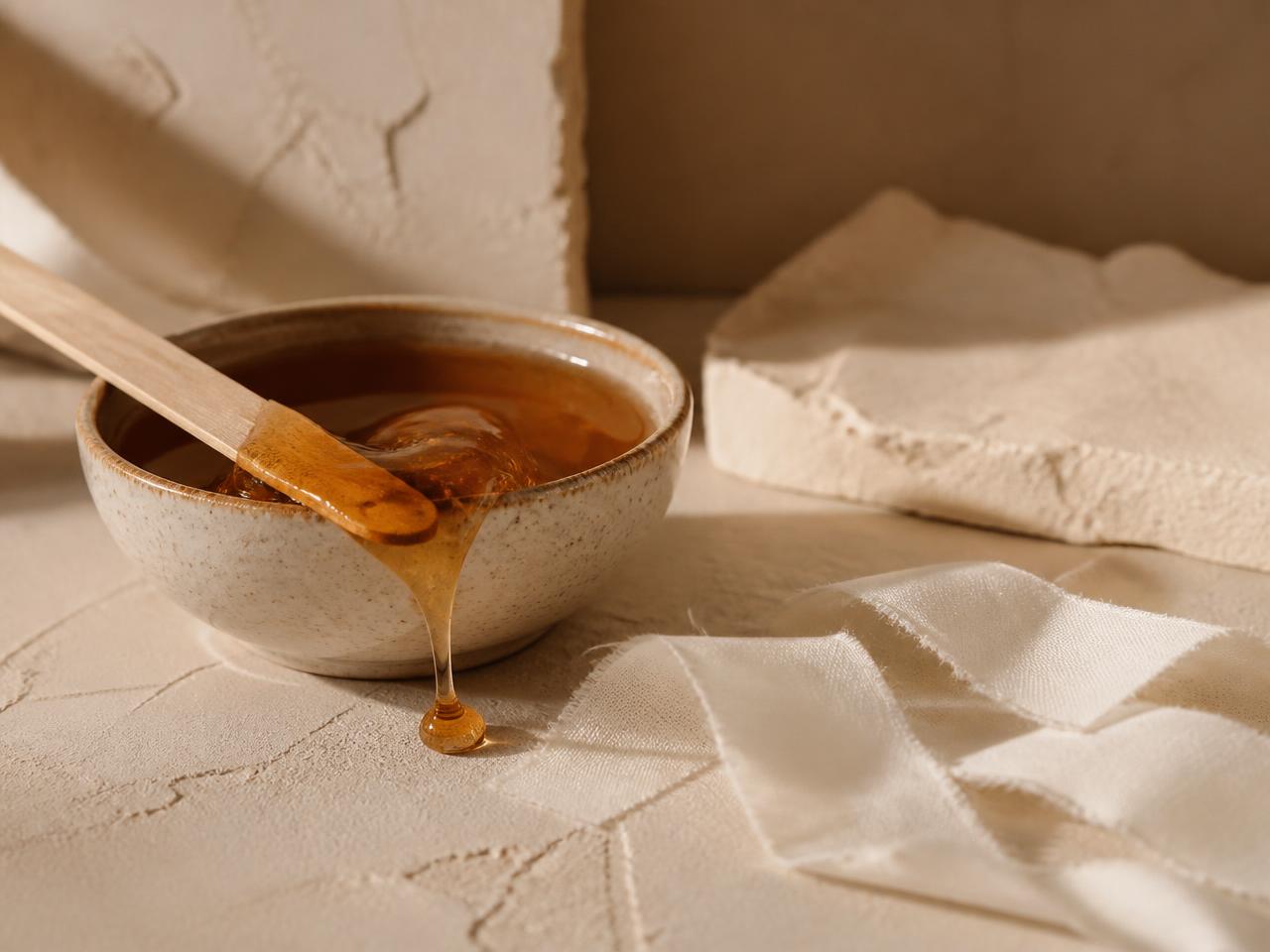
How to Sugar Legs: Safe Guide
Sugaring is a hair removal paste made from sugar, lemon juice, and water, applied warm, removed with a flick. Done right, it lifts hair from the root and leaves legs smooth for typically three to four weeks.

Body Care · June 17, 2026
Best Razor for Chest: A Complete Guide
A sharp single-blade safety razor is the best choice for shaving the chest, less drag, better control on curved surfaces, and fewer razor bumps than multi-blade cartridges.

Body Care · June 17, 2026
How to Sugar Bikini Area: Safe Guide
Sugaring the bikini area removes hair from the root using a warm sugar-lemon-water paste applied against the grain and removed with the grain. Expect around three weeks of results with proper prep, technique, and aftercare.

Body Care · June 17, 2026
Shaving Vagina With Strawberry Legs: A Safe Routine
Shaving the pubic and bikini area when you already have strawberry legs is doable with the right approach. Sharp blade, warm prep, with-grain direction, and consistent aftercare. Most people see improvement within three to four shave cycles.

Body Care · June 17, 2026
Razor Burn on Face: Causes, Treatment & Prevention
Razor burn on the face is surface irritation from friction, a dull blade, shaving against the grain, or skipping prep are the usual causes. It typically settles within 24–48 hours. A cool compress, fragrance-free moisturizer, and letting the skin rest helps it recover faster.
Body Care · June 17, 2026
How to Tweeze Face Hair Safely
Tweezing facial hair is precise and inexpensive, but direction, grip, and tool hygiene matter more on the face than anywhere else. Here's what actually prevents the bumps, ingrowns, and redness that bad tweezing causes.

Body Care · June 17, 2026
How to Sugar Neck Hair: Safe Step-by-Step Guide
Sugaring your neck means applying a warm sugar-lemon-water paste against the direction of hair growth, then flicking it off in the growth direction to pull hair from the root. Hair should be at least 1/8 inch long, skin must be clean and dry before you start, and the 48 hours after your session call for gentle, heat-free aftercare.

Body Care · June 17, 2026
Shaving Brazilian With Razor Bumps: A Safe Routine
Shaving Brazilian with razor bumps is possible, but the technique matters more than usual. Warm water prep, a sharp blade, short with-grain strokes, and a cool-compress finish can let you shave the area while giving existing bumps space to calm down.

Body Care · June 17, 2026
How to Shave Your Vagina: A Safe, Step-by-Step Guide
The vaginal and pubic zone is the most demanding shaving area on the body, coarser hair, curved surfaces, and skin that reacts fast to a dull blade. Sharp blade, with-grain strokes, warm prep: here's the technique that keeps irritation low.

Body Care · June 17, 2026
How to Laser the Pubic Area: Safe At-Home IPL Guide
At-home IPL can reduce pubic hair on the mons pubis and outer bikini line over 6–8 sessions, but the inner labia, clitoris, and vaginal opening are absolute no-go zones. Shave 24–48 hours before each session, never wax, patch-test first, and start at the lowest intensity setting. Between sessions, a sharp safety razor is the only acceptable removal method.

Body Care · June 17, 2026
How to Shave Your Face with Sensitive Skin
Sensitive facial skin sits above muscles that pull in every direction, and the hair across the upper lip, jaw, and cheeks doesn't all grow the same way. Here's how to shave without triggering razor burn, contact dermatitis, or persistent redness.

Body Care · June 17, 2026
Shaving the Vaginal Area With Dark Spots: A Safe Routine
Shaving over dark spots on the vaginal and pubic area is safe with the right approach. Those spots are almost always post-inflammatory hyperpigmentation, your skin's melanin response to prior irritation from dull blades or repeated passes. A sharp safety razor, with-grain strokes, and consistent aftercare reduce new irritation and let existing spots fade.
Body Care · June 17, 2026
How to Prep Your Skin for a Festival: The Countdown Checklist
Smooth, festival-ready skin takes about a week of low-effort prep. Exfoliate 48 hours before you shave, shave the day before (not the morning of), moisturise while your skin is still damp, and layer SPF 30 or higher on arrival, reapplying every two hours while you're out in the sun.

Body Care · June 17, 2026
How to Tweeze Pubic Hair: Safe Guide
Tweezing a few stray hairs on the bikini line is low-risk when skin is warm and tools are clean. For larger areas, a safety razor causes less follicle trauma. Never tweeze ingrown hairs, use warm compresses until the tip surfaces naturally.
Body Care · June 17, 2026
How to Shave the Bikini Area with Dark Spots
Dark spots on the bikini line after shaving are almost always post-inflammatory hyperpigmentation (PIH), the skin's melanin response to micro-trauma, razor bumps, or friction. Here's how to prevent new marks and gradually fade existing ones.
Body Care · June 17, 2026
Shaving Brazilian With Razor Burn: A Safe Routine
Brazilian shaving tends to cause razor burn because pubic hair is coarser, the skin is thinner, and blade dullness hits harder here than anywhere else. A cool compress immediately after, 3–5 days rest, then a fresh blade and with-grain technique tends to end the cycle.

Body Care · June 17, 2026
Shaving With Psoriasis: A Safe Pubic-Area Routine
Any cut or friction near a psoriasis plaque can generate new lesions via the Koebner phenomenon. Here is what dermatology guidance actually recommends for a safe pubic-area shave.

Body Care · June 17, 2026
How to Thread Stomach Hair: Safe Step-by-Step Guide
Threading uses a twisted cotton thread rolled across the skin to pull hair from the follicle. It is chemical-free and leaves the stomach smooth for up to four to five weeks. But it is slow for large areas and requires practice to do well.
Body Care · June 17, 2026
How to Laser Inner Thighs: Safe Guide
At-home IPL can reduce inner thigh hair over 8–12 weeks of consistent sessions. The inner thigh is more sensitive than the lower leg, start at the lowest intensity setting, patch test first, and shave 24 hours before each session. Between treatments, a sharp single-blade razor keeps regrowth tidy without disrupting follicles.

Body Care · June 17, 2026
How to Shave the Bikini Line with Folliculitis
Folliculitis, a bacterial infection of hair follicles, is not the same as razor bumps. On the bikini line, elastic waistband friction and swimwear occlusion accelerate bacterial spread, making it the hardest zone to manage. Here's how to tell whether it's safe to shave, and how to do it with the least risk when it is.

Body Care · June 17, 2026
How to Prevent Razor Burn: Evidence-Based Technique Guide
Razor burn is not inevitable. It is a predictable outcome of specific technique errors, a dull blade, insufficient lubrication, or shaving against the grain, and each error has a direct fix. This guide covers the evidence-based steps that prevent it, not just treat it after the fact.
Body Care · June 17, 2026
Aloe Vera for Shaving: Benefits and How to Use It
Aloe vera is one of the most widely recommended post-shave ingredients, but most guidance stops at 'it soothes your skin' without explaining why it works, what matters when choosing a product, or how to apply it. This guide covers the mechanism, the evidence, and the practical protocol.
Body Care · June 17, 2026
How to Laser Bikini Area: Safe Guide
At-home IPL can reduce bikini-line hair over 8–12 weeks of consistent sessions, best results on fair to medium skin with dark hair. The outer bikini line and mons pubis are the safe zones; inner folds and mucous membranes are absolute no-go areas. Shave 24 hours before each session, never wax, and use a sharp single-blade razor between treatments.

Body Care · June 17, 2026
How to Shave Arms Without Irritation
Arm skin is forgiving, but the fundamentals still matter. Sharp blade, right direction, warm shower first, here's what the evidence says.
Body Care · June 17, 2026
How to Shave Your Legs Without Irritation
Smooth legs without irritation comes down to four variables: prep time, blade condition, lubrication, and post-shave care. Here's the technique that addresses each one.
Body Care · June 17, 2026
Shaving Your Face With Razor Burn: A Safe Routine
If you have razor burn on your face, the safest move is to wait 24–48 hours. If you can't wait, there's a careful technique that minimises further irritation, warm prep, fragrance-free cream, fresh sharp blade, one with-grain pass. Here's the full routine.
Body Care · June 17, 2026
Razor Bumps on Underarms: Why They Happen and What Helps
Underarm razor bumps form when cut hairs curl back into the skin in one of the body's warmest, most friction-prone areas. Here's what makes this zone different, and what actually reduces recurrence.
Body Care · June 17, 2026
Strawberry Legs on Butt: Causes, Treatment & Prevention
Strawberry legs on the butt are dark spots or rough bumps caused by keratosis pilaris, folliculitis, or ingrown hairs, not a hygiene problem. The right shaving technique, a fresh blade, and targeted moisturiser make a real difference.
Body Care · June 17, 2026
Razor Burn on Face: Causes, Treatment & Prevention
Razor burn on the face is surface skin irritation caused by friction, a dull blade, shaving against the grain, or skipping prep. It usually settles within 24–48 hours. Here's how to treat it and prevent it from coming back.
Body Care · June 17, 2026
How to Shave Pubic Hair with Folliculitis
Folliculitis, bacterial infection of hair follicles, is distinct from razor bumps. Shaving over active pustules can spread the infection and worsen inflammation. Here's how to tell whether it's safe to shave, and how to do it with the least risk when it is.

Body Care · June 17, 2026
How to Laser Legs: Safe Guide
At-home IPL can meaningfully reduce leg hair with a consistent course of sessions, typically six or more, spaced every two to four weeks. It works best on fair to medium skin tones with dark hair. Shave the area one to two days before each session, never wax, and use SPF daily throughout the course. Between sessions, a sharp razor keeps regrowth tidy without disturbing follicles.
Body Care · June 17, 2026
How to Sugar Inner Thighs: Safe Guide
Sugaring inner thighs means pressing a warm sugar-lemon-water paste against the direction of hair growth, then flicking it off with the grain to pull hair from the root. Prep with a 24-hour exfoliation, trim hair to 6 mm, work in small sections, and follow with 48 hours of gentle aftercare.
Body Care · June 17, 2026
How to Sugar Arms: Safe Guide
Sugaring arms requires hair at least ¼ inch long. Apply the sugar paste against the direction of hair growth; flick it off quickly in the direction of growth. Cool the paste completely before touching, molten sugar causes severe burns. Allow arms 24 hours post-session away from sun, heat, and active skincare products.
Body Care · June 17, 2026
How to Shave Your Face: Guide for Women
Face shaving removes peach fuzz and dead skin cells, leaving skin smooth and primed for skincare. Use a clean, sharp single-blade razor on damp skin, shaving in the direction of hair growth. Rinse with cool water and apply SPF. It does not cause hair to grow back thicker, the follicle below the skin's surface is unaffected.
Body Care · June 17, 2026
How to Wax Chest: Safe Guide
Chest waxing removes hair from the root, leaving smooth skin for around 3–4 weeks. Hair must be at least a quarter of an inch long before you start. Hard wax is the right choice for the chest, it grips coarser hair without pulling at skin. Prep well, pull in the right direction, and follow the aftercare window.
Body Care · June 16, 2026
Body Wash for Shaving: What Works, What to Avoid, and How to Get a Close Shave
A glycerin-rich, sulfate-free body wash provides enough lubrication for a close shave on legs and body. For the bikini and pubic area, a dedicated shaving gel is preferable, the skin barrier is thinner and reacts faster to surfactant irritation. Avoid fragrance, alcohol, and physical exfoliants (scrubs) immediately before shaving any area.
Body Care · June 16, 2026
How to Get Rid of Ingrown Hairs
Getting rid of an ingrown hair means stopping shaving the affected area, applying a warm compress twice daily to bring the hair toward the surface, and releasing it only when it is visibly looped near the skin, never digging. Most uncomplicated ingrowns resolve within 7–14 days. Know when spreading redness means a GP visit.

Body Care · June 16, 2026
Best Moisturizer After Shaving: What to Apply and When
Moisturising within 3–5 minutes of shaving, while skin is still slightly damp, locks in hydration before the lipid barrier fully reforms. The right product and timing reduce post-shave irritation significantly; retinoids, fragrances, and exfoliating acids make it worse.

Body Care · June 16, 2026
How to Do Laser Hair Removal at Home: Step-by-Step Guide
At-home IPL devices target melanin in hair follicles to slow regrowth, but they only work on dark hair against light-to-medium skin, require six to ten sessions, and require shaving between treatments (not waxing or epilating). Here's the safe, effective protocol.
Body Care · June 16, 2026
How to Shave the Bikini Area with Razor Burn
Razor burn on the bikini line means pausing until redness and burning resolve, typically 2–5 days. Once healed, a fresh blade, fragrance-free gel, and a single with-the-grain pass prevent recurrence. Elastic waistbands trap heat and friction on the bikini line in a way that doesn't apply to the legs, making barrier recovery slower here than anywhere else.
Body Care · June 16, 2026
How to Thread Hair at Home: Step-by-Step Guide
Threading uses a twisted cotton thread rolled across the skin to trap and pull hairs from the follicle. It requires no chemicals, no heat, and no paste, making it one of the lowest-irritant root-removal methods. The technique takes practice but is learnable at home for eyebrows, upper lip, chin, and fine body hair.
Body Care · June 16, 2026
How to Shave Pubic Hair with Razor Burn: What to Pause and What to Fix
Shaving pubic hair when razor burn is active means waiting for the skin barrier to recover first, typically 2–5 days. Once healed, a fresh single blade, with-the-grain short strokes, and an unscented post-shave moisturiser break the cycle of recurring burn.

Body Care · June 16, 2026
How to Shave the Bikini Line with Ingrown Hairs
Ingrown hairs on the bikini line form when shaved hairs curve back into the skin and the follicle mounts an inflammatory response. Elastic waistband friction on the bikini line makes this worse than anywhere else on the body. Here's how to shave safely when ingrowns are already present, and how to stop the cycle.

Body Care · June 16, 2026
How to Shave Pubic Hair with Ingrown Hairs: What to Skip and What Works
Shaving pubic hair when you have active ingrown hairs requires pausing on inflamed bumps, using a single fresh blade in the hair-growth direction, and applying a non-comedogenic post-shave product. Getting technique right prevents a small ingrown problem from becoming a widespread one.
Body Care · June 16, 2026
How to Do Sugaring at Home: Step-by-Step Guide
Sugaring uses a paste of sugar, lemon juice, and water applied against the direction of hair growth and flicked off with the grain, the reverse of waxing. The paste is water-soluble, works at a lower temperature than wax, and is less likely to lift skin cells, which makes it a gentler option for sensitive areas.
Body Care · June 16, 2026
How to Shave the Bikini Area with Razor Bumps
Razor bumps (pseudofolliculitis) on the bikini line form when cut hairs curl back into the skin and trigger inflammation. Shaving over active bumps, especially under elastic waistband pressure, prolongs the cycle. Here's how to shave the bikini area safely when bumps are already present.
Body Care · June 16, 2026
How to Shave the Bikini Area with Sensitive Skin
Shaving the bikini line on sensitive skin requires a fresh blade, fragrance-free lubrication, and with-the-grain strokes along the groin crease. The skin here is thinner and more mobile than the legs, small technique errors cause outsized irritation, and elastic waistbands keep the stress going long after you've put the razor down.
Body Care · June 16, 2026
How to Do Laser Hair Removal at Home
At-home IPL and laser devices reduce hair growth by targeting melanin in the follicle with light pulses. Results build over six to eight sessions, four to six weeks apart, and work best on dark hair against lighter skin. They deliver significant, lasting reduction, not permanent removal, and usually need annual maintenance sessions.
Body Care · June 16, 2026
How to Shave Pubic Hair with Razor Bumps
Razor bumps form when a cut hair curls back into the skin and triggers inflammation. Shaving over active bumps recuts healing hairs and worsens the cycle. Here's how to shave the pubic area safely when bumps are already present.

Body Care · June 16, 2026
How to Use an Epilator at Home
Epilators remove hair by the root using rotating tweezers, leaving skin smooth for three to four weeks, similar to waxing. First use is the most uncomfortable; skin adapts with repeated sessions. Use on dry skin, hold the device at 90 degrees to the skin, and stretch the skin taut to reduce discomfort and missed hairs.
Body Care · June 16, 2026
How to Get Rid of Razor Burn: Treatment & Prevention
Razor burn is the redness, stinging, and irritation that appears within minutes of shaving. It resolves in 24–48 hours with the right response, and the right blade makes it far less likely to return.
Body Care · June 16, 2026
How to Shave Pubic Hair with Sensitive Skin: 5-Step Protocol
Shaving pubic hair on sensitive skin requires fewer passes, a fresh blade, and pH-balanced lubrication. The pubic zone has thinner stratum corneum and denser follicles than legs, small technique errors have outsized consequences here.

Body Care · June 16, 2026
How to Tweeze at Home: Technique, Prep, and Aftercare
Grip each hair close to the root with slanted-tip tweezers and pull firmly in the direction of growth, never straight up. Most tweezing problems trace back to breakage from imprecise gripping, not the tool itself. Tweeze on warm, clean skin, disinfect before every session, and don't over-pluck in one sitting.
Body Care · June 16, 2026
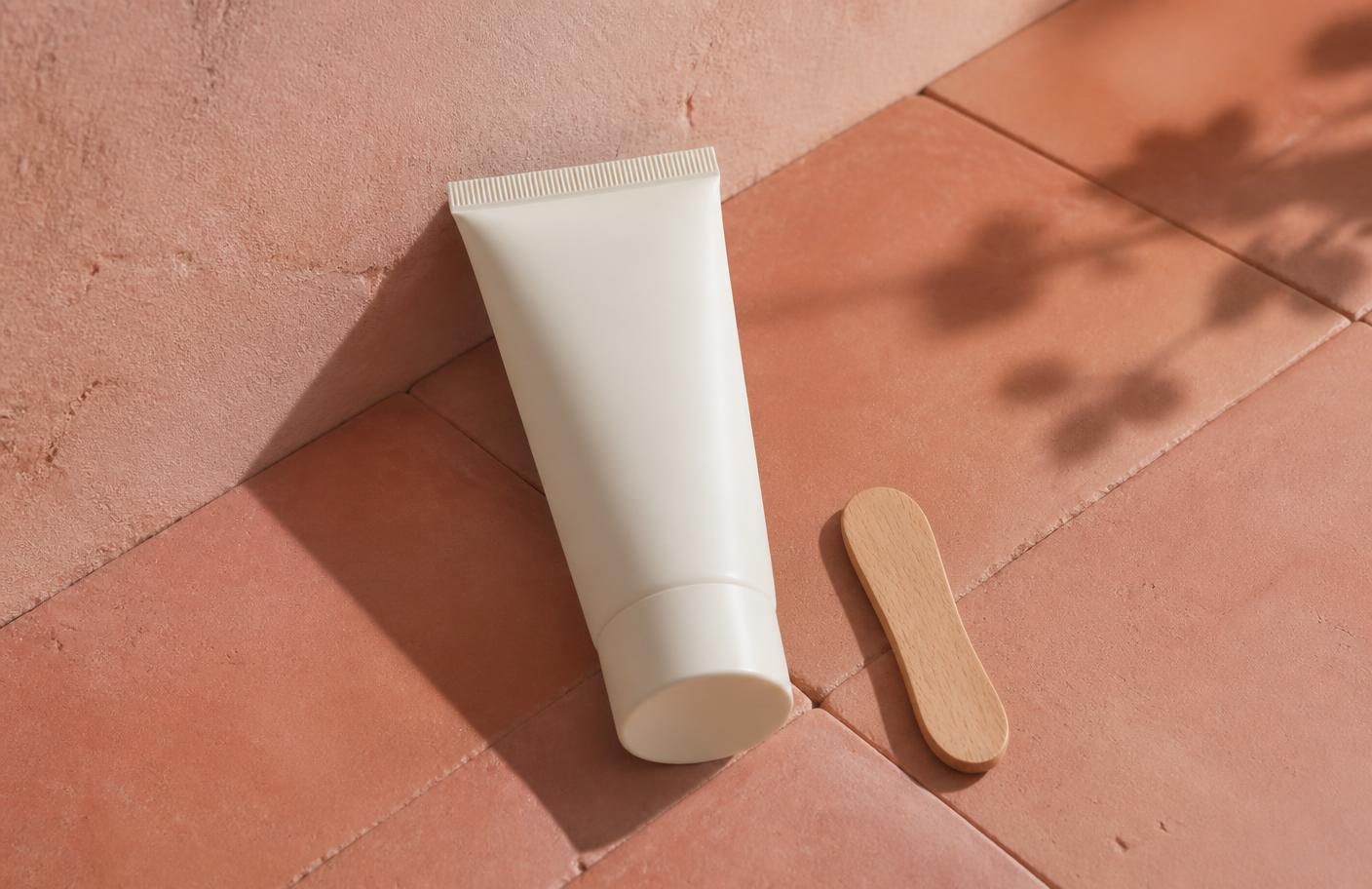
How to Use Hair Removal Cream at Home
Hair removal creams dissolve hair just below the skin surface using an alkaline chemical. The result lasts 3–7 days, but chemical burns happen when you exceed the contact time on the packaging. Patch test 24 hours before, follow the timing exactly, and never substitute a body formula for the bikini area or face.
Body Care · June 16, 2026
How to Wax at Home: Step-by-Step Guide for Smooth, Irritation-Free Results
At-home waxing works when you follow the right sequence: dry, clean skin; the correct wax temperature; a firm application with the grain; and one fast pull against it. Most at-home waxing problems trace back to skipping prep, not the wax itself.
Body Care · June 15, 2026
Dark Bikini Area After Shaving: Causes and How to Reduce Hyperpigmentation
Dark bikini area skin after shaving is most often caused by post-inflammatory hyperpigmentation, the skin's melanin response to repeated friction from dull blades, ingrown hairs, and clothing irritation. Technique changes and consistent aftercare can make a visible difference over several weeks.

Body Care · June 15, 2026
Dark Knees: Causes and How to Reduce Hyperpigmentation
Dark knees are most often caused by post-inflammatory hyperpigmentation from repeated friction and pressure. Consistent SPF, gentle exfoliation, and reducing shaving friction can make a meaningful difference over several weeks.
Body Care · June 15, 2026
Dark Spots on Legs After Shaving: Causes, Prevention, and How to Fade Them
Dark spots on legs after shaving are most often caused by post-inflammatory hyperpigmentation, the skin's melanin response to repeated shaving friction. Fresh blades, proper lubrication, and technique adjustments make a meaningful difference over several weeks.
Body Care · June 15, 2026
Dark Underarms: What Causes Them and How to Reduce Them After Shaving
Dark underarms are most often caused by post-inflammatory hyperpigmentation from repeated shaving friction. Fresher blades, better prep, and fragrance-free formulas can make a meaningful difference over several weeks.
Body Care · June 15, 2026
Strawberry Legs: Causes and How to Reduce Them When Shaving
Dark dots on leg skin after shaving are caused by clogged follicles, ingrown hairs, or keratosis pilaris. Most can be prevented with a fresher blade and better shaving technique.

Body Care · June 14, 2026
How to Shave Your Face at Home: A Peach Fuzz Removal Guide for Women
Shaving facial peach fuzz at home is safe and effective when you use the right tool and technique. A single-blade face razor or dermaplaning blade, not a multi-blade body razor, with clean, dry skin and short downward strokes is all you need.
Body Care · June 14, 2026
Shaving With Eczema: How to Minimise Irritation on Atopic Skin
Shaving over eczema-affected skin is possible, but timing and technique matter more than with unaffected skin. The core rules: avoid flares, use a fresh blade, never dry-shave, and moisturise immediately after.
Body Care · June 14, 2026
Shaving With Keratosis Pilaris: A Gentle Technique Guide
Keratosis pilaris affects the thighs, upper arms, and buttocks, all areas many people shave. With the right preparation and a fresh blade, you can shave over KP skin without aggravating it.
Body Care · June 14, 2026
How to Get Smooth Legs After Shaving: A Step-by-Step Guide
Most shaving guides stop at 'use shaving cream.' Smooth legs consistently come from a sequence: prep, fresh blade, with-grain technique, cool rinse, and moisturizer at the right moment.

Body Care · June 13, 2026
How Often Should You Shave Your Legs? What the Evidence Says
There is no prescribed schedule, shaving frequency is personal preference. But blade freshness matters more than how often you shave: a dull cartridge causes more irritation than any frequency pattern.
Body Care · June 13, 2026
How to Shave Your Legs: A Step-by-Step Guide to Smooth, Irritation-Free Skin
Smooth legs come down to five variables, water temperature, shave gel, blade freshness, pressure, and what you put on skin afterwards. Nail all five and razor burn becomes rare.
Body Care · June 13, 2026
Razor Burn on Legs: How to Treat It Fast and Prevent It From Coming Back
Leg razor burn is different from razor bumps at the bikini line, it's primarily a friction problem, not an ingrown-hair problem. The fix is faster than you think.
Body Care · June 13, 2026
How to Shave Underarms Without Irritation
The underarm is one of the trickiest areas to shave cleanly, folded skin, multi-directional hair, and deodorant timing all affect the result. These five steps prevent most irritation before it starts.
Body Care · June 11, 2026
Best Razor for Bikini Area: Blade Choice, Technique, and No-Irritation Results
Most bikini-area irritation comes down to one thing: a blade that's too dull. Here's the honest single-blade vs. multi-blade verdict, a comparison table, and the step-by-step technique that actually works.
Body Care · June 11, 2026
Best Razor for Sensitive Skin: What to Look For and What Actually Works
Sensitive skin and shaving aren't incompatible, they just require sharper blades, less pressure, and a few technique changes. Here's the criteria-led guide to finding the best women's razor for sensitive skin.
Body Care · June 11, 2026
Best Shaving Lotion for the Pubic Area: What Actually Works (and What Doesn't)
For the pubic area, the best shave medium is a fragrance-free, moisturizing product formulated to lubricate skin. Here's what actually matters, and what to avoid.

Body Care · June 11, 2026
How to Help Prevent Ingrown Hairs When Shaving
The biggest lever for preventing ingrown hairs: blade freshness. A dull blade is the primary mechanical cause of ingrown hairs at the bikini line. Here's the full prevention protocol.
Body Care · June 11, 2026
Razor Bumps: Complete Guide to Pseudofolliculitis Barbae, Causes, Prevention, and Treatment
Razor bumps form when a freshly cut hair curves back into the skin and triggers inflammation. They're most common where hair is coarsest, especially the bikini line. Here's the complete prevention and treatment guide.

Body Care · June 11, 2026
Ingrown Hair Treatment: Bikini Area, What Actually Works (and What Makes It Worse)
Treatment for an ingrown hair in the bikini area follows a clear order: rest, warm compresses, then salicylic acid if the bump persists. Here's what to do, and what makes it worse.
Body Care · June 11, 2026
Does Shaving Make Hair Grow Back Thicker? The Dermatology (and the Myth)
Shaving does not make hair grow back thicker. This is one of the most persistent myths in grooming, and the dermatology behind it is well-established. Here's what actually happens, and the regrowth timelines by body area.
Body Care · June 11, 2026
How to Shave Every Body Area: Technique Guide for Legs, Underarms, Bikini Line, and Pubic Area
Shaving technique is not one-size-fits-all. Direction, prep, blade choice, and aftercare each vary by body area. Here's the complete technique matrix, with zone-specific notes for the areas where technique matters most.
Body Care · June 11, 2026
Sensitive Skin Shaving Protocol: Guide for Reactive Skin, Eczema, and Keratosis Pilaris
Shaving on sensitive, reactive, or condition-affected skin requires four non-negotiable adaptations: maximum hydration before the blade contacts skin, a clean sharp blade every time, a fragrance-free and alcohol-free product stack, and a longer post-shave window.
Body Care · June 11, 2026
Post-Shave Aftercare: What the Dermatology Actually Supports (and What's Marketing)
The ingredients with the strongest post-shave evidence are glycerin, ceramides, salicylic acid for ingrown-prone skin, and niacinamide for dark spots. Aloe vera is modest but safe. Witch hazel is complicated. Here's the full evidence breakdown.
Body Care · June 11, 2026
Dermaplaning Explained: What It Is, What the Evidence Shows, and Who It's For
Dermaplaning removes the outermost dead skin layer and vellus facial hair with a blade. Evidence supports it for temporary smoothness and improved product absorption. It does not make hair grow back coarser, here's the full breakdown.
Body Care · June 11, 2026
Waxing vs. Shaving: The Evidence Comparison, Pain, Ingrown Risk, Cost, and When Each Wins
Neither waxing nor shaving is categorically better, it depends on skin type, body area, pain tolerance, and budget. Waxing wins on duration; shaving wins on control, sensitive-skin safety, and long-term cost. Here's the evidence.
Body Care · June 11, 2026
Body Hair Care FAQ: The 10 Most-Searched Questions Answered
The 10 most-searched body hair care questions answered, razor bumps, ingrown hair treatment, whether shaving makes hair coarser, bikini area technique, waxing vs. shaving, and dermaplaning myths.

Body Care · June 11, 2026
Dark Inner Thighs: What Causes Hyperpigmentation After Shaving (and What Actually Helps)
Darkness, brown marks, and black patches on the inner thighs are usually post-inflammatory hyperpigmentation (PIH) triggered by shaving friction. Sharper blades reduce it at the source; AHAs, kojic acid, and SPF treat what's already there.
Body Care · June 11, 2026
Should You Exfoliate Before or After Shaving? The Direct Answer
Exfoliate before shaving, not after, and not on the same day. 24–48 hours before is the evidence-grounded window. Immediate pre-shave exfoliation sensitizes skin; post-shave exfoliation damages a compromised barrier.
Body Care · June 11, 2026
How to Shave Your Bikini Line Without Razor Burn
Razor burn on the bikini line is almost always preventable with the right technique. Here's the five-step protocol targeting the real causes: blade sharpness, prep, direction, and post-shave care.

Body Care · May 15, 2026
How to Shave the Pubic Area Without Irritation, A Step-by-Step Guide
Most razor burn and bumps in the pubic area come down to three skipped steps: no prep, too much pressure, and a blade that's been used too long. Here's what to do differently.

Body Care · May 14, 2026
What Is a Vibrating Razor for Women, and Does It Actually Work Better?
A vibrating razor uses rapid micro-oscillations to reduce drag between blade and skin, which means less tugging, fewer passes, and for most people, noticeably less irritation. The freya. Vee also doubles as a 6-setting personal vibrator. Here's what you need to know.